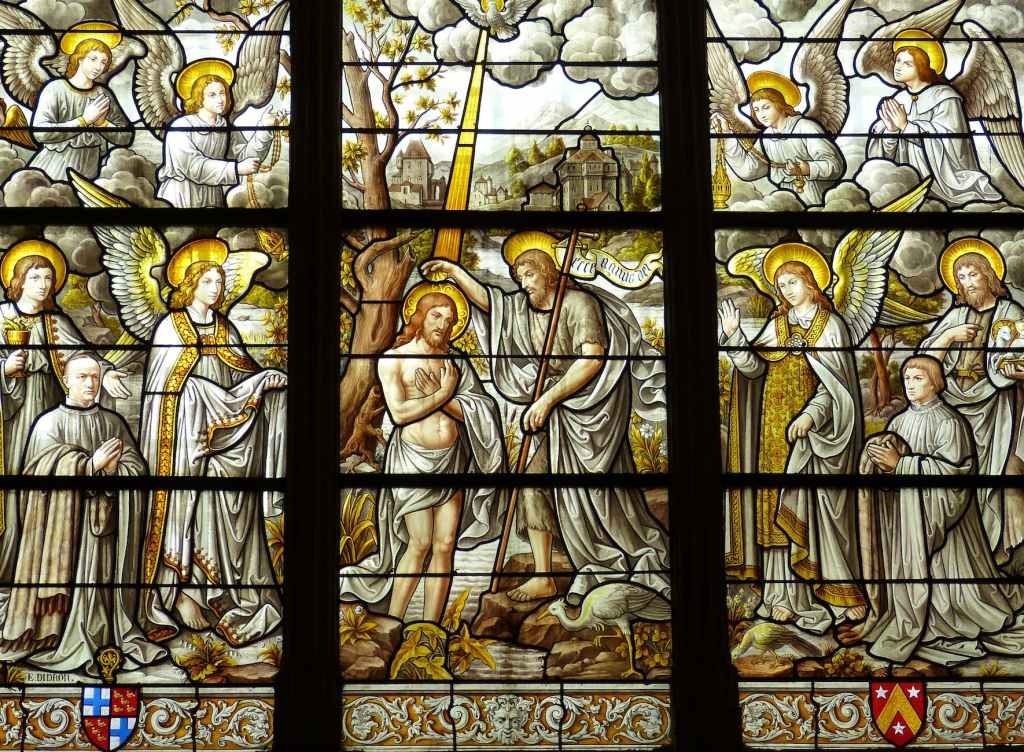
History is full of incredible men and women who have said and done amazing things on behalf of God. Moses lead Israel out of Egypt and gave them the Law. Elijah called down fire from heaven to disprove the false prophets of Baal. Daniel survived the lion’s den and his buddies were unharmed in the fiery furnace. Joseph interpreted dreams and saved an entire nation from famine, and Hosea put the love of God on display by being faithful to an unfaithful wife. We could talk about Deborah, Esther, David, Ruth, Mary, and others, however, there was one man that stood out as being the greatest.
John the Baptist.
Truly, I say to you, among those born of women there has arisen no one greater than John the Baptist.
Matthew 11:11 (ESV)
The Greatest!
John, as far as scripture records, did zero miracles, performed zero signs, never called down fire, split no rocks, and parted zero rivers; he preached. John came as a preacher: “I am the voice of one crying out in the wilderness, ‘Make straight the way of the Lord…” – John the Baptist (John 1:23)
During Jesus’ ministry he made an announcement that of those born of women, the greatest is John the Baptist (Matthew 11:11). John, as you may know, had a strict and bizarre lifestyle chosen for him. In Luke’s Gospel, chapter 1, the physician records the words that an angel spoke to John the Baptist’s father, Zechariah;
…many will rejoice at his birth, for he will be great before the Lord. And he must not drink wine or strong drink, and he will be filled with the Holy Spirit, even from his mother’s womb. And he will turn many of the children of Israel to the Lord their God, and he will go before him in the spirit and power of Elijah, to turn the hearts of the fathers to the children, and the disobedient to the wisdom of the just, to make ready for the Lord a people prepared.” Luke 1:14-17
In order to truly be the greatest John had to actually succeed in his mission, he had to keep the lifestyle of a Nazarite and be prepared to preach a bold message of repentance before the ministry of Jesus could begin. John was preparing the people to receive Christ. It’s this ministry that he fulfilled that made him so great.
Imagine if you will, for a moment, the kind of relationship this prophet must have had with the Lord. I imagine he would have spent many hours in prayer, meditating on the word of God, seeking the Lord for the words and timing for the ministry ahead of him. I imagine he would have strictly followed the commands given to him through scripture and through the angel’s instruction to his father. I imagine he was not perfect and had to continuously repent (as we all do) in order to carry his message authentically and honestly; he had to stay close to the Lord and walk with him, listening for his voice and leading.
I imagine he was a man of great spiritual integrity and honour, a man of courage and wisdom, a man who sought only to do and say what the Lord was leading and guiding him to, I imagine him being just as Jesus said, the Greatest.
did the greatest get it wrong?
I have often wondered why God did not allow John to witness the death and resurrection of Christ. Imagine the thrill and utter joy John would have had if he was present for all of that! But he wasn’t, was he. Prior to Jesus going to the cross, John was imprisoned and beheaded. John was the greatest, yet he missed the greatest thing to ever happen in human history, he missed the crescendo and high water mark of the ministry he paved the way for. He had prepared the way for the coming of Jesus but wasn’t there to see the climactic triumph over death.
Let’s back up.
How did John end up in prison? Why was he there?
You can’t do that!
…it was Herod who had sent and seized John and bound him in prison for the sake of Herodias, his brother Philip’s wife, because he had married her. For John had been saying to Herod, “It is not lawful for you to have your brother’s wife.” – Mark 6:17-18
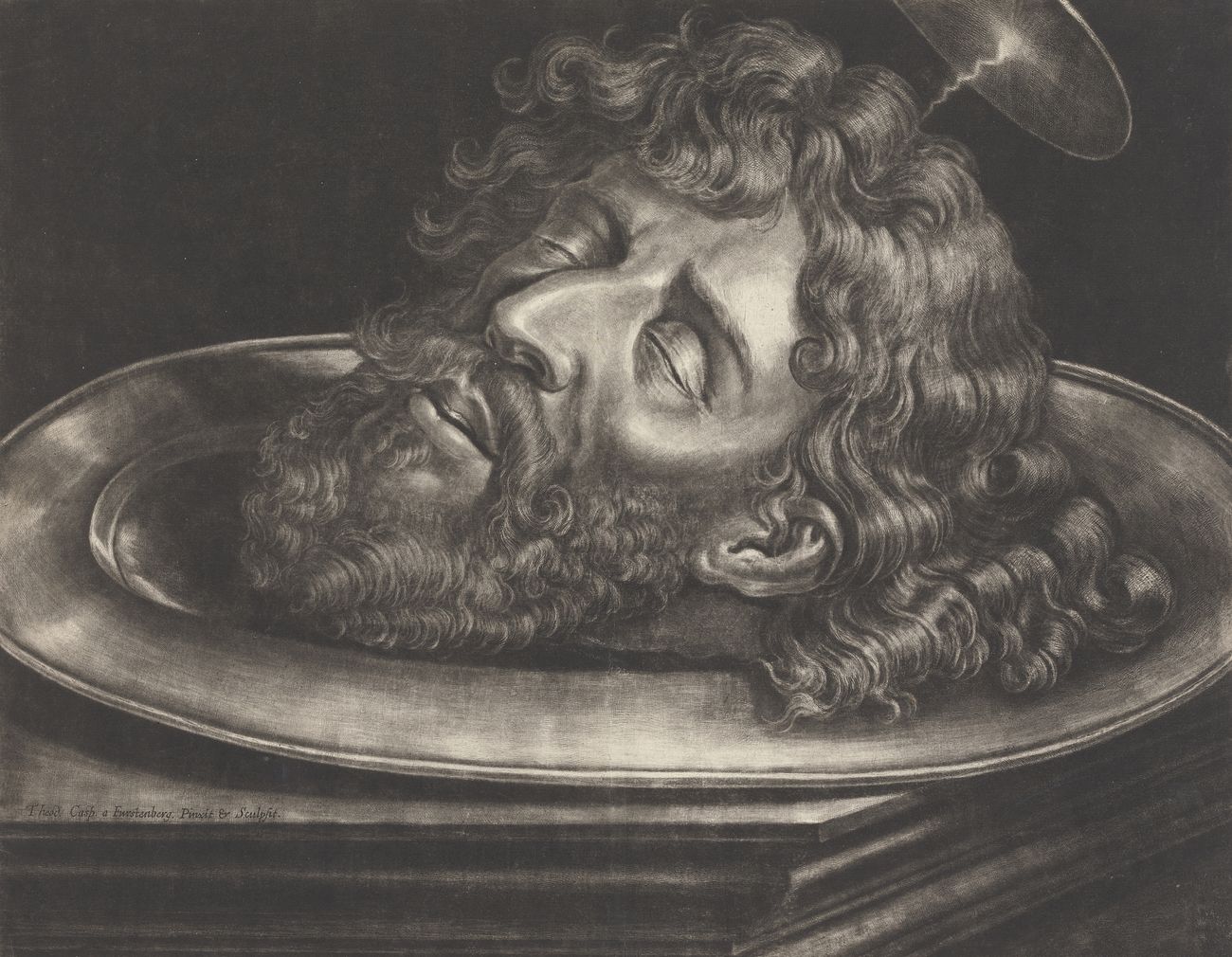
John had been telling Herod, the ruling power of the region, the pseudo-king of Israel, that taking his brother’s wife was not right. It was against Hebrew law and culture for his brother must have still been alive. Herod had not rescued a widow, he’d stolen a man’s wife! And John, the greatest ever born of women, spoke up publicly and condemned it as immoral and unacceptable, so Herod put him in prison. Later, Herod promised to give a gift to his wife’s daughter, and she asked for John’s head on a platter. Bound by his oath, Herod gave it to her (Mark 6:14-29).
Was John wrong to call out Herod’s immoral behavior?
Herod was in league with Rome, he was a proxy, ruling only because Rome allowed him to. To any good Jew Herod was already a traitor and had abandoned the fear of the Lord. Any worship Herod offered at this point was tokenism at best, and outright hypocrisy at worst. This is not like the prophet Nathan calling David out with Bathsheba. David was a man of God who absolutely blew it, and Nathan was sent by God to correct him. Herod was no David, but was John just like Nathan?
Did God send John to call out Herod’s sin? Was the greatest ever born of women, still following the leading of the Lord whom he had walked so closely with for the last 30 years? Let’s not forget, John was filled with the Holy Spirit, even from his mother’s womb. Had the Spirit left him? Was the Spirit leading him to say things that would ultimately land him in prison? He wouldn’t be the first prophet treated harshly for saying what the Lord told him, would he?
scenarios and implications
I see two main ways of looking at John’s imprisonment and death, either he was doing the will of God or he wasn’t.
Scenario I: John was the greatest, but then he flipped out, ignored God, and got involved in politics when he wasn’t supposed to, This resulted in his imprisonment and death. The implication of this would be that the Greatest to ever live died in disobedience and failure, despite doing a good job earlier in preparing the way for Jesus. Just as Moses struck the rock and got left out of the promised land, John spoke of Herod out of anger and God allowed John to experience the consequences of his actions.
Scenario II: John was still filled with the Holy Spirit, and like many prophets before him, he began to speak to the powers that be and tell them off for living outside of God’s way of life. He was doing what God was leading him to do and it cost him his life.
right or wrong, should we do likewise?
This story of John criticising his government, of correcting his leader, has been used by many as a reason to get involved in politics and to call out immorality and ungodliness in the nation. Some see John as the poster child and follow in his footsteps, calling out bad behavior, bad policy, and bad leadership practices both in the world and in the church, regardless of what it might cost them.
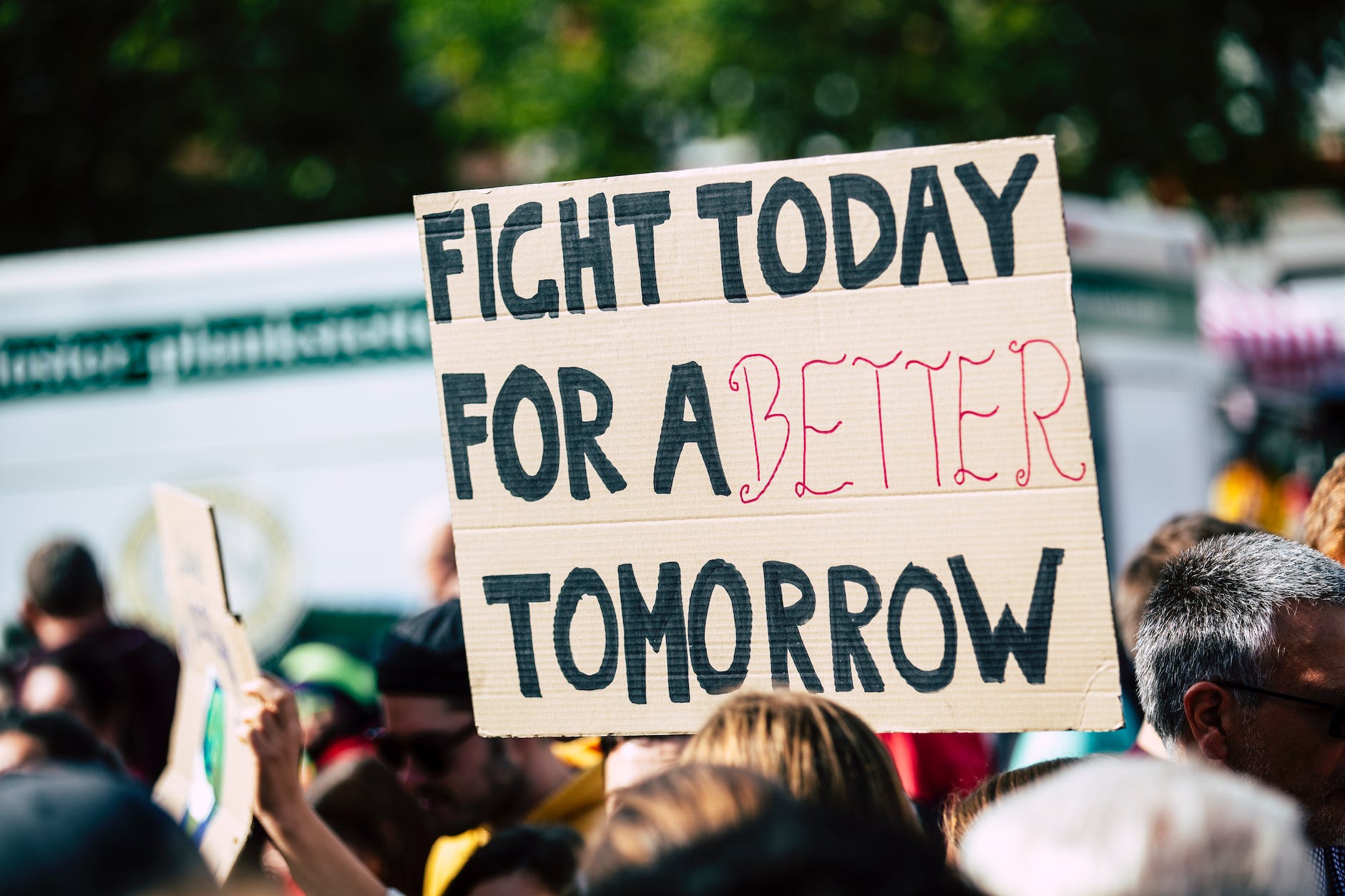
Others see the death of John as a reason not to do what the first group has chosen to do, suggesting that John’s imprisonment and death are evidence God wasn’t with him. But that logic would suggest that God wasn’t with Jesus when he died, or with Stephen when he was martyred in Acts 7. Only a prosperity preacher would tell you that life with God will be full of blessings and no drama, but Jesus said ‘In this world you will have trouble. But take heart! I have overcome the world.”’ (John 16:33)
Some say, “don’t take sides, just focus on Jesus and love everyone”, while others say “we need to march in the streets, lobby the government, and stand up for godliness!” It’s an age-old question: should Christians get involved in the public square? Should Christians call out corruption and immorality in government, policies, and law? Should Christians tell people living in sin… that they’re living in sin? Or do we just ‘love them’ and try not to rock the boat, cos… you know, we don’t want to lose our heads, do we?
one Greater than John
When the Baptists spoke of Jesus, John said that Jesus was so much greater than himself, that he wasn’t worthy to even untie Jesus’ sandals (John 1:26). John set an interesting example for us, he called out Herod’s bad behavior, risking his life for what we can only assume he believed God was telling him to do. Jesus was no different.
Blind guides, hypocrites, and vipers
Jesus devotes a large monologue in Matthew 23 to calling out the cultural and religious leaders of his day, the Pharisees. He called out their arrogance and pride, pointing out their hypocrisy while labeling them blind guides and a brood of vipers! Talk about a man who pulled no punches! Is it any wonder that the Pharisees conspired together to have Jesus executed?
Jesus was far greater than John, but like John, Jesus called out bad behavior among the ruling class of his own people. Jesus did not, however, make public criticisms of the Roman Empire or their idol worship and harsh treatment of people, not because he was okay with it, but likely because he didn’t come to do that, rather he came to seek and save the lost, and to give his life as a ransom for many. John made a lot of noise before Rome’s proxy, Herod, while Jesus was silent before Rome’s governor, Pilate. Was one of them wrong?
WHAT IF THEY’RE BOTH RIGHT?
The problem we often have is the inability to hold one opinion while allowing others to hold an opposing opinion, and then agree that neither of us has to be ‘wrong’. It’s paradox. It’s tension. And it’s deeply uncomfortable… and culturally we are terrible at it.
John called out Herod, but Jesus didn’t. John opposed Rome, but Jesus submitted. Both were correct.
The question is, can we be okay with Christians who get deeply involved in politics, calling out the evil they see and getting loud about the reform they believe needs to happen in order for a nation to better reflect the Kingdom of God? And can such activists be okay with Christians who, like Jesus standing before Pilate, are silent? Can the activist and the silent passivist co-exist without judging each other as being wrong, immature, or uncaring? Is the family of God big enough for all the siblings to sit at the table?
CHEER DON’T SMEAR
I don’t think John the Baptist was operating outside of the leading of the Lord. I think God was still highly involved in John’s life and ministry, and Scripture gives no indication otherwise. When Moses struck the rock, we’re told it was wrong. When Saul offered the sacrifice instead of waiting for Samuel, we’re told it was wrong. When David took Bathsheba and had her husband killed, we’re told it was wrong. John’s actions in speaking against Herod are not condemned as wrong, so it’s best to assume they weren’t.
Not every Christian activist is going to be like John, some will have skewed motives and immature methods, but we ought to cheer them on in their faith and their pursuit of the Kingdom of God. After all, we’re all a little skewed and immature at times, aren’t we?
Don’t smear them. Don’t hate them. Don’t condemn them.
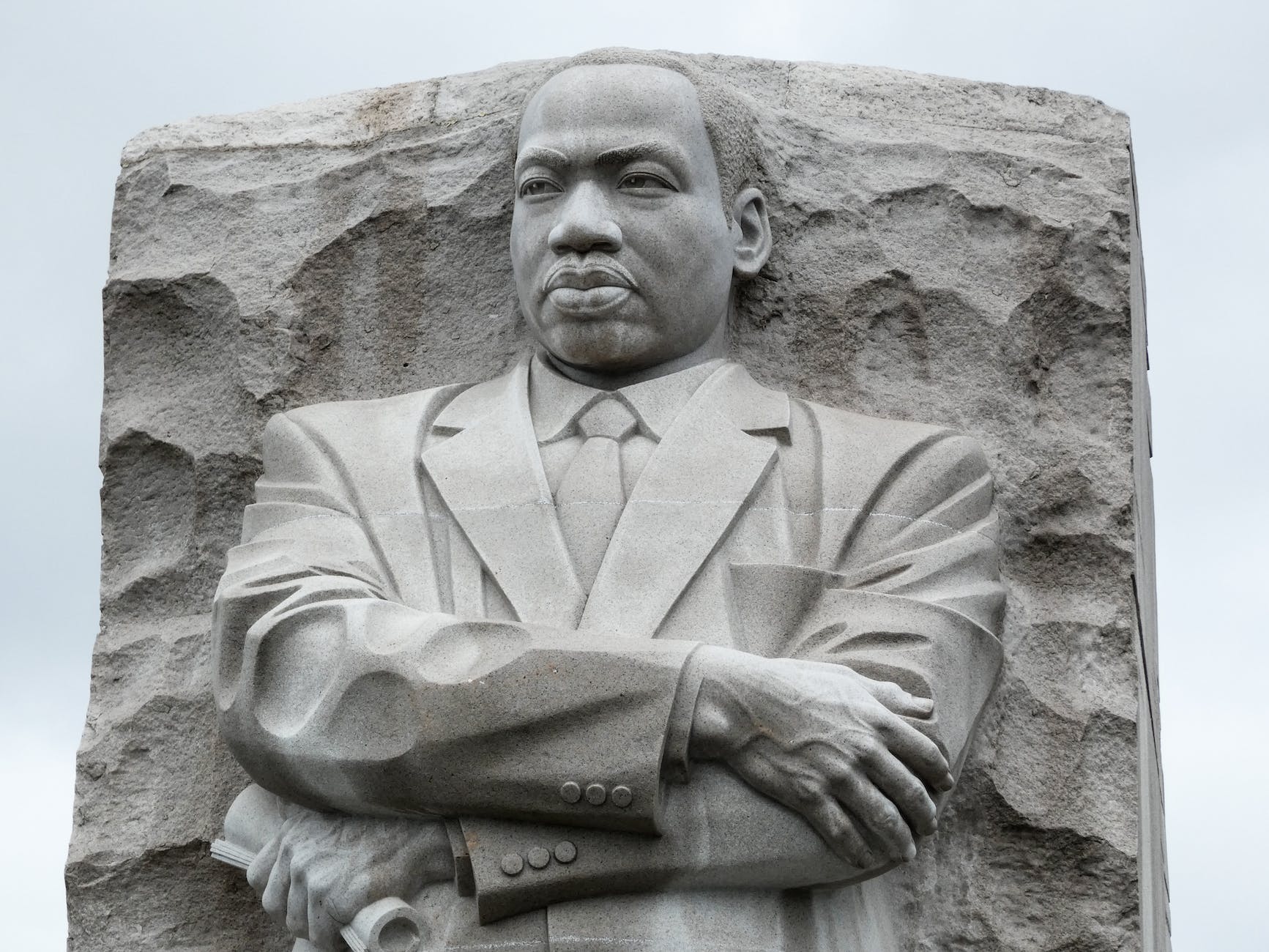
Don’t tell your Christian brothers not to be political as if somehow Christians aren’t allowed to participate in the democratic process. Slavery ended because Christians were involved in politics. Was William Wilburforce wrong to get involved? Was Martin Luther King wrong to march against racism in America?
Similarly, politically active Christians should not get upset with believers who choose to be silent. It’s true, some are silent out of fear and that’s no good at all, but many are silent out of the leading of the Holy Spirit, finding their expression of the Kingdom in other ways. Don’t judge them and call them weak or faithless. Celebrate their love for Christ and cheer them on in their pursuit of the Kingdom of God and in their faithful service of Jesus.
Jesus never condemned John for landing in prison.
Jesus also didn’t condone John’s criticism of Herod.
Jesus didn’t take a side on that matter, he simply celebrated the fact that among those born of women, John had been the greatest. Perhaps we could learn to go and do likewise, stop judging the servants of our master (Romans 14) and celebrate their greatness as siblings, coworkers, and believers in the same Lord.
This is to say that being ‘left’ or ‘right’ is bad and only being ‘in the middle’ is good. It means we need to drop the labels and identifiers as if there exists in heaven different subgroups of believers. Even the middle can become a place of pride if it means you condemn those on your left or your right as being less than yourself. The middle is a position, no more or less than the left or right is. This is why we need to ditch the labels, boxes, and identifiers and strive for simplicity and wholehearted devotion to Christ alone.
I am a ____________ Christian
Basic English grammar tells us that the adjective informs the noun. That means that if you identify yourself as a liberal Christian, you are most connected to your liberal-ness than your Christian-ness.
Check out this short video from LifeGate Denver
Ouch! We must resist the urge to define the camp we’re in and the camps we’re not in and in doing so put away all other agendas that are competing for our allegiance,
Just be a Christian, a Christ follower, and let’s make room in our theological worldview for other Christians who think, live, and participate in the social and political spheres differently from you and me. Some might speak up about Herod, some might be silent before Pilate, others will condemn the Pharisees, some might oppose the government’s medical policies, some might not, some might speak out against gender politics or abortion issues, some may not, some may march the streets to contribute their voice for issues they believe matter to God, while others may not; some may do none of these things… What matters is not if we are political or not political, left or right, charismatic or orthodox… but that we are Jesus followers, Jesus lovers, and Jesus worshippers… that we are Christian.
Discover more from Seeds & Streams
Subscribe to get the latest posts sent to your email.
