A punchy little video I’ve seen popping up in social media lately has a simple yet slightly misleading little phrase as it’s punchline; The world offers you pleasure but God offers you purpose, but you and I know it’s never that simple, is it?
While it sounds like a good preaching point, it’s actually a false dichotomy, the fallacy of presenting only two choices, outcomes, or sides to an argument as the only possibilities, when more are available.
This popular little quip assumes there’s no pleasure in pursuing purpose, and that we must forsake joy in order to live a life of meaning, yet the joy of the Lord is your strength and the presence of God is our delight! What’s different is how we define pleasure. The world offers the pleasure of sin, but God offers us purpose and contentment apart from sin’s pleasures.
Secondly, any quick anecdotal research will tell you that many people living without Jesus will claim they have purpose, a reason to live, a goal they are pursuing, a dream. Purpose is hardwired into humanity, and we’re very good at finding ways to pursue it, even without God.
Thirdly, and importantly, this supposed choice between the world offering pleasure and God offering purpose overlooks the essence of the Gospel; Jesus didn’t die to simply give you purpose, He died to save you from your sin and and to redeem you from hell. Yes, Jesus gives us a purpose and a life of meaning, and yes, he made us for a purpose, but to make ‘my purpose’ the primary focus of the Gospel and what God is offering me is nothing less than narcissistic western individualism; We just love being the centre of attention, don’t we?
The hero of the Gospel is Jesus.
We were his enemies when he died for us (Romans 5:10), became a curse for us (Galatians 3:13), and poured out his blood as an atoning sacrifice for our sins (1 John 2:2; Galatians 1:4).
God does offer us purpose, but at a much deeper and more significant level he offers us redemption, forgiveness and eternal life.
The other thing this one-liner – the world offers pleasure while God offers purpose – fails to acknowledge is the inevitable pain that awaits us in life, regardless of what path you’re on. Whether you accept God’s invitation into a life of purpose living for him, or you choose to reject God and live for the pleasure of sin, both of these paths are peppered with pain, suffering, trials and hardships.
Some might see the life choices before them as choosing pain or relief, pain or comfort. But pain in life is as unavoidable as sin; it’s all round us, sometimes we are the cause of it, and sometimes we are the recipient of it, as people sin against us and cause us harm, and then other times the reason for pain is inexplicable. One thing is certain; pain comes.
So perhaps instead of pitting purpose against pleasure, a more honest choice would be a choice between the promises of God and the pain of life, or the pleasure of life and the pain it brings. Pick your path, choose your pain.
The god of this world offers death

The wages of sin is death, not pleasure (Romans 6:23).
“[The Devil] was a murderer from the beginning, and does not stand in the truth, because there is no truth in him. When he lies, he speaks out of his own character, for he is a liar and the father of lies.”
John 8:44 ESV
The world is ruled by the god of this world, for in the garden of Eden the original rulers, Adam and Eve, had their authority usurped and undermined when the serpent successfully tempted humanity to rebel against God. So we when talk about ‘the world’ offering us pleasure, we need to dial in on exactly who and who we are talking about.
Just as the Wizard of Oz was behind the curtain pulling the levers there are spiritual forces, principalities and powers (Ephesians 6:12) pulling the levers behind the curtain of the world. These spiritual forces are under the direction and influence of ‘the god of this world’. It is the Devil that makes us promises, just as he promised Jesus the angels would catch him if he jumped off the temple, or that he would give him the nations if Jesus bowed down to him (Matthew 4:1-11). More on that later, for now, who is this ‘god’?
The phrase “god of this world” (or “god of this age”) indicates that Satan is the major influence on the ideals, opinions, goals, hopes and views of the majority of people. His influence also encompasses the world’s philosophies, education, and commerce. The thoughts, ideas, speculations and false religions of the world are under his control and have sprung from his lies and deceptions. Satan is also called the “prince of the power of the air” in Ephesians 2:2. He is the “ruler of this world” in John 12:31. These titles and many more signify Satan’s capabilities. To say, for example, that Satan is the “prince of the power of the air” is to signify that in some way he rules over the world and the people in it. – From Got Questions.
This means that every promise the ‘world’ offers us needs to be considered as being a deceptive promise made by the king of lies and prince of the air.
Anecdotally we know this to be true.
Empty Promises

If I just buy this new boat, then I will feel satisfied and happy. If I just lose 5-10 more kilos then I will feel good about myself. If I get more likes, more shares, more money, a new girlfriend, a new husband, new job, bigger house… on and on it goes, the promise of wealth and happiness is just over the horizon. The only problem is, as we know, you never truly reach the horizon, like a false peak, when you arrive you realise what you were after is still out of reach.
And this should be of no surprise, remember the Garden? In Eden, the serpent came and offered a promise; the serpent said to the woman, “You will not surely die. For God knows that when you eat of it your eyes will be opened, and you will be like God, knowing good and evil” (Genesis 3:4-5)
- You will not experience death – LIE
- Your eyes will be open – half truth, which makes is a LIE
- You will be like God – LIE
- You will be like God knowing (understanding and having complete insight and knowledge of) good and evil – LIE
The devil tempted Eve with illusions of grandeur, of becoming like God, of escaping the consequence of death that God warned her of. The promise was of pleasure and the avoidance of pain, and all of it was a LIE. She was not fulfilled, she was emptied. She was not left satisfied, but hungry for the life she had just forfeited. She did not have god-like understanding of good and evil, but had lost her naivety and was exposed to darkness as sin entered the world.
The forces of evil in the earth are constantly offering promises they have no intention of fulfilling, and every time we buy what the spirit of the world is selling, what we are really doing is buying a lie and being deceived.
So yes, the world offers pleasure, but what it really offers is empty promises. God, on the other hand, offers reliable promises that not only is he willing and wanting to fulfill, he follows through on his word.
Pain if you do, pain if you don’t

There is no avoiding pain, but you can choose what promises you cling to along the way. Pain in the valley of the shadow of darkness comes with the promise of God’s presence being with you (Psalm 23), whereas the promise of pleasure from the lies of the world come with disappointment, loneliness, rejection, and being unsatisfied and discontent. The valley is dark and painful, but the presence in the valley is sweet and comforting. Pain is unavoidable, the promises of God are optional.
Jesus makes it very clear: In the world you will have tribulation. But take heart; I have overcome the world (John 16:33).
The upbeat nature of western pentecostalism has too often highlighted the promises of God without acknowledging the pain of life that Jesus assures us is inescapable.
This imbalance in healthy doctrine has left many confused and broken when they experience pain and hardships despite ‘doing all the right things’. This disappointment and disillusionment, often resulting in a ‘deconstruction of faith’, is the product of a different type of prosperity gospel. In this gospel we aren’t promised wealth in return for our financial offerings, instead we are promised a good, problem free life in return for our good behaviour. I”f I do the right thing, behave myself, wait for marriage, go to church, read the bible and give to the poor, then I will have a blessed, pain free life“. Did you notice the formula is the same as the fake-promises we considered earlier? It’s the same If I do ___ then____ will happen.
This is not from God.
This is a LIE from the god of this world.
Any time pain and suffering is removed from our theology it is no longer true, for it is not the gospel that Jesus and the Apostles passed down to us. Consider these words of warning and instruction:
- 1 Peter 4:12 – Beloved, do not be surprised at the fiery trial when it comes upon you to test you, as though something strange were happening to you.
- 1 John 3:13 – Do not be surprised, brothers, that the world hates you.
- James 1:2 – Count it all joy, my brothers, when you meet trials of various kinds, for you know that the testing of your faith produces steadfastness.
- 2 Timothy 2:3 – Share in suffering as a good soldier of Christ Jesus.
- James 5:13 – Is anyone among you suffering? Let him pray. Is anyone cheerful? Let him sing praise.
- 1 Peter 5:9 – Resist [the Devil], firm in your faith, knowing that the same kinds of suffering are being experienced by your brotherhood throughout the world.
Notice that suffering is normalised, expected and not excused. We experience sickness, unemployment, broken relationships, grief, loss, persecution, abuse, various routine struggles, as well as the general toil of day to day life. Genesis 3 tells us that men will work the ground and it will be hard, producing thistles and thorns, while women will endure increased pain in childbirth while also longing to rule over the husbands, but their husbands will rule over them. This is the struggle. The earth is cursed and life is full of tension and angst.
Scripture does not say that our suffering is the direct result of personal sin or generational curses, scripture simply tells over and again that suffering and pain is normal in this broken world (sin certainly produces suffering, but we don’t subscribe to eastern ideas of Karma, we subscribe to the Grace of Jesus and the power of redemption. We’re not rescued from the consequences of our sin, yet, at the same time, we are, Jesus dies in our place).
What we do know, however, is that following Jesus does not deliver us from pain in this life, but can often be the source of it, and so both John and Peter tell us, don’t be surprised by it, especially if and when the world hates you, or as Jesus says, Blessed are you when others revile you and persecute you and utter all kinds of evil against you falsely on my account. Rejoice and be glad, for your reward is great in heaven, for so they persecuted the prophets who were before you (Matthew 5:11-12).
Put pain in the frame

How you deal with pain and suffering has a lot to do with where you place it within your theological framework. Does your belief in God accommodate pain, or try to escape it? Does your belief system rejoice at trials, or resist them? Where does pain fit in the frame?
God says, through Paul, that he is at work in and through all things we experience in our lives (Romans 8:28) and that he is leveraging every situation for our good. Other than the Gospel, this is the best news you can ever hear!
It means no pain is wasted. No trial is trivial. Suffering isn’t meaningless. God is able, willing and wanting to use every part of your life for good. The question then becomes, what is good? Fortunately we don’t need to look to far, because Paul clarifies in the very next verse. Many Christians know Romans 8:28, but do you know verse 29? Let’s look at them together;
28 And we know that for those who love God all things work together for good, for those who are called according to his purpose. 29 For those whom he foreknew he also predestined to be conformed to the image of his Son, in order that he might be the firstborn among many brothers.
I love the way Eugene Peterson translates this passage in his paraphrase, The Message, he writes; we can be so sure that every detail in our lives of love for God is worked into something good. God knew what he was doing from the very beginning. He decided from the outset to shape the lives of those who love him along the same lines as the life of his Son. The Son stands first in the line of humanity he restored.
God is shaping our lives according to the pattern which is his son, Jesus Christ. Everything we go through has potential to shape us more and more into the image of Christ, if we allow it to. Just as the potter shapes the clay, we too are being shaped by the Master’s hands, but we must remain on the wheel and entrust the Lord with every season and event in our lives, trusting that he will use them for our good.
This is His promise, that no pain is wasted when we entrust it to him for our shaping. Does it make pain less painful? No, I’d say not. But it makes pain less powerful.
God’s promise makes pain less of a thief and more of an opportunity for the transforming power of God to shape our lives.
God’s promise makes pain less controlling, for pain cannot derail or destroy us without our consent. When we cling to Christ and place our trust in his hands, pain cannot steer the ship for it is under the command of the King.
When we begin to reframe pain and see it as an opportunity for God to work in our lives, we can expect the fruit of maturity to begin to form more frequently instead of allowing pain and suffering to limit, hinder or worse, stop us from growing into the image of Christ.
Maturity means increased Empathy

One of the big ripple effects of understanding that no one gets a get-out-jail card when it comes to pain and trials, is that we develop the fruit of patience and gentleness. We’re far more patient with people because we’re aware that they have not lived an easy, pain free life, but rather have been forced to endure and overcome all kinds of trials, most of which we will never know or understand.
It’s far easier to be gentle with people, and to show kindness to them when we see them as ones who have spent time in the trenches.
We typically have more respect towards veterans, or as we say in Australia, the ANZAC’s. Men and women who have faced war on our behalf. The awareness of their sacrifice and suffering stimulates our empathy and gratitude. What if we were capable of seeing each person we interact with as a survivor of war and temptation? As an overcomer of trials and attack? The bi-product of this perspective can only be empathy and appreciation – ‘well done, you made it, you’re here now, keep going, you can do it, God is with and for you!’
No one would think of harshly judging a survivor of abuse, or of being impatient with someone who just crawled out of a fox-hole. We put on soft gloves when we know the pain of a person’s life, and so we should, for blessed are the merciful, for they will receive mercy.
Maturity means deeper humility
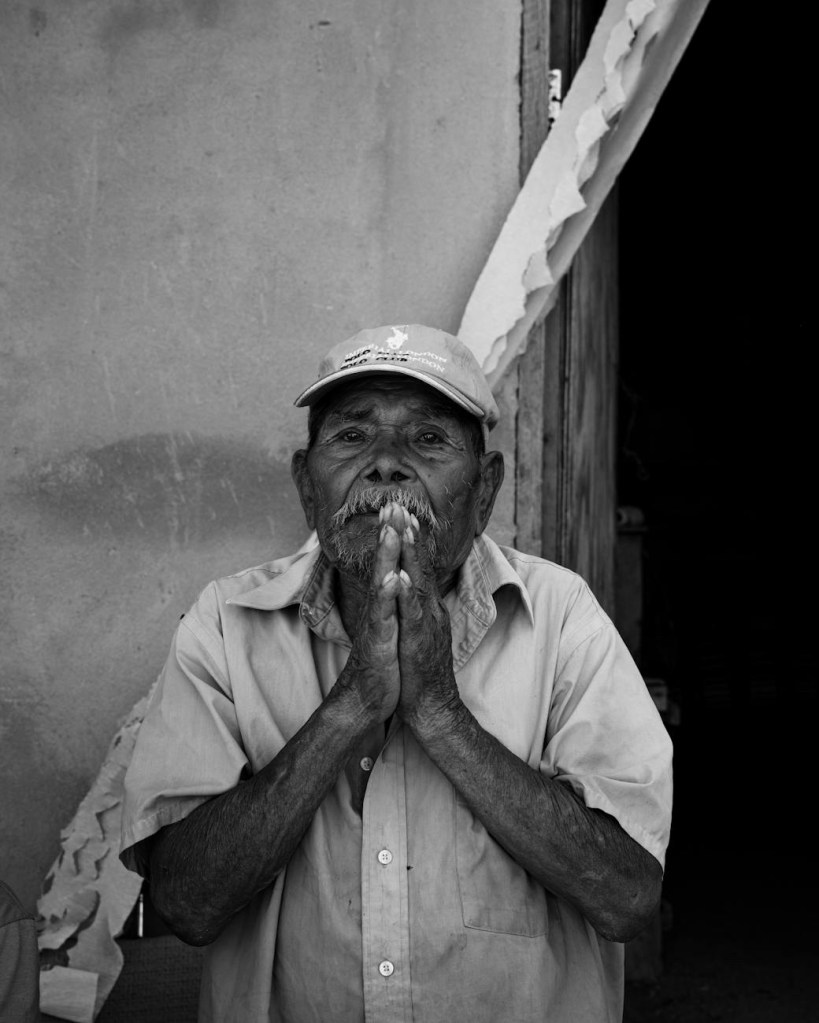
On the flip side, when a person does not allow this perspective of shared human suffering and pain to influence their level of empathy, they will undoubtedly fail to develop authentic humility.
Arrogance, as experienced by many, is perceived as the lack of compassion, kindness and empathy. When a person is arrogant, they are not kind, they are inconsiderate and selfish in their conversation. Such people are not growing in humility and empathy, but are instead impatient with the perceived weakness of those around them. They’re easy to spot, but hard to counsel.
One of the motivations of this article is not only to normalise our shared experience of pain and trials in life, and to deconstruct the enemies attempt to perform a slight of hand trick with the true Gospel, but it’s also to help us to see the impact that this insight should have on our hearts.
If you know that everyone around you, especially every other Christian, is experiencing the same trials, temptations, set backs, difficulties, and dark valleys that you are all too familiar with, it needs to result in increased humility and empathy as a signpost to a healthy and Christlike heart being formed within you.
If our awareness of the unavoidable pain in life is not deepening our value of others, deepening our prayer life for others, driving us towards greater expressions of kindness and patience, then it’s possible we are still navel gazing and looking up and around us. Jesus suffered, but his thoughts were not for himself, they were for us.
Pain comes to us. Pain comes for us. We cannot avoid it, at least not all of it. If anyone suffers for living in sin, well… that’s just a natural consequence. Yet so much of the pain and suffering we experience in life is indiscriminate and impersonal. It’s not because we deserve it, it’s simply because the world is broken, people are broken and operating out of imperfection and heartache. But here’s the kicker…
What comes out of us towards others should be different to what comes toward us.
Our souls need to be like desalination systems, where the salt water of the world crashes into us, but what flows out of us is sweet, fresh water.
Maturity is allowing the pain and suffering of life to flow into your life, without letting it flow out. We are not to give pain back to the world, we are to transform it. Instead of letting pain and arrogance flow out of us, we are to absorb it, like Christ absorbed our sin, and then release kindness to the world. You’ve heard it said eye for eye, but Jesus models the turning of the cheek, praying for our enemies and blessing those who curse us. He was reviled, spat on and beaten, but did not give back in kind, there was no curse for curse, blow for blow, instead he prayed father forgive them, they know not what they do.
This is the high water mark of Christian maturity, when we’re able to consciously and authentically offer kindness and mercy to the very world which hates us and to those who mistreat us, both and in the world and in the church, for they know not what they do.
Pleasure, Purpose or Pain? I choose Joy

We were fortunate to go and see ‘For King and Country’ do a live show recently, and by far the crowd favourite was their song ‘Joy’ – it was so fun! Here’s the music video of the studio version.
The punchline in this song is the declaration, I choose Joy!
The thing about this kind of Joy is that it is far superior to sheer happiness. It really is other-worldly. It the quality of happiness and contentment within your soul that transcends circumstances and suffering. It was this deep seated joy that was set before Christ that enabled him to endure the unjust suffering of the cross (Hebrews 12:2).
It was this same well of joy that bubbled up within Paul and Silas as they sat chained to the wall in the Philippians prison, singing out songs of praise and worship to the Saviour.
This kind of Joy is a choice.
It’s the decision to lean into the suffering and cling to the cross. A decision to embrace the beatings of life and fix our eyes, like Stephens did, on our resurrected Lord, and see his face shinning upon us. It flows out of the well of deep satisfaction and contentment of salvation that overwhelms and overshadows all the setbacks and disappointments life throws at us.
The irony is, however, that choosing Joy is hard, yet it sounds like it should be easy. It’s hard to let go of being a victim and choose joy. It’s hard to let go of the desire to get even and instead choose joy. It’s hard to give up the right to retaliation and instead choose joy.
But just as Paul and Silas sang in the prison, so too can we choose to allow our internal and eternal reality to be our source of joy, unreliable on our circumstances.
The world offers pleasure, but it only delivers disappointment and pain.
God offers purpose, and with it will still be some pain. But fear not, for Jesus has overcome the world and has become for us an eternal and internal source of Joy and Hope as we look to him, whether we are on the mountain top in the sunshine, or in the valley in the dark shadows, He is with us and has no intention of leaving or forsaking you. All we need to do is be realistic about the truth of the Gospel and choose joy even in the midst of trials and suffering.
Choose Jesus, embrace pain with courage, and choose joy.
Discover more from Seeds & Streams
Subscribe to get the latest posts sent to your email.
